<Back to news
23 Mar 2026
Milestones, Movement and Why Freedom Matters
Milestones, Movement and Why Freedom Matters
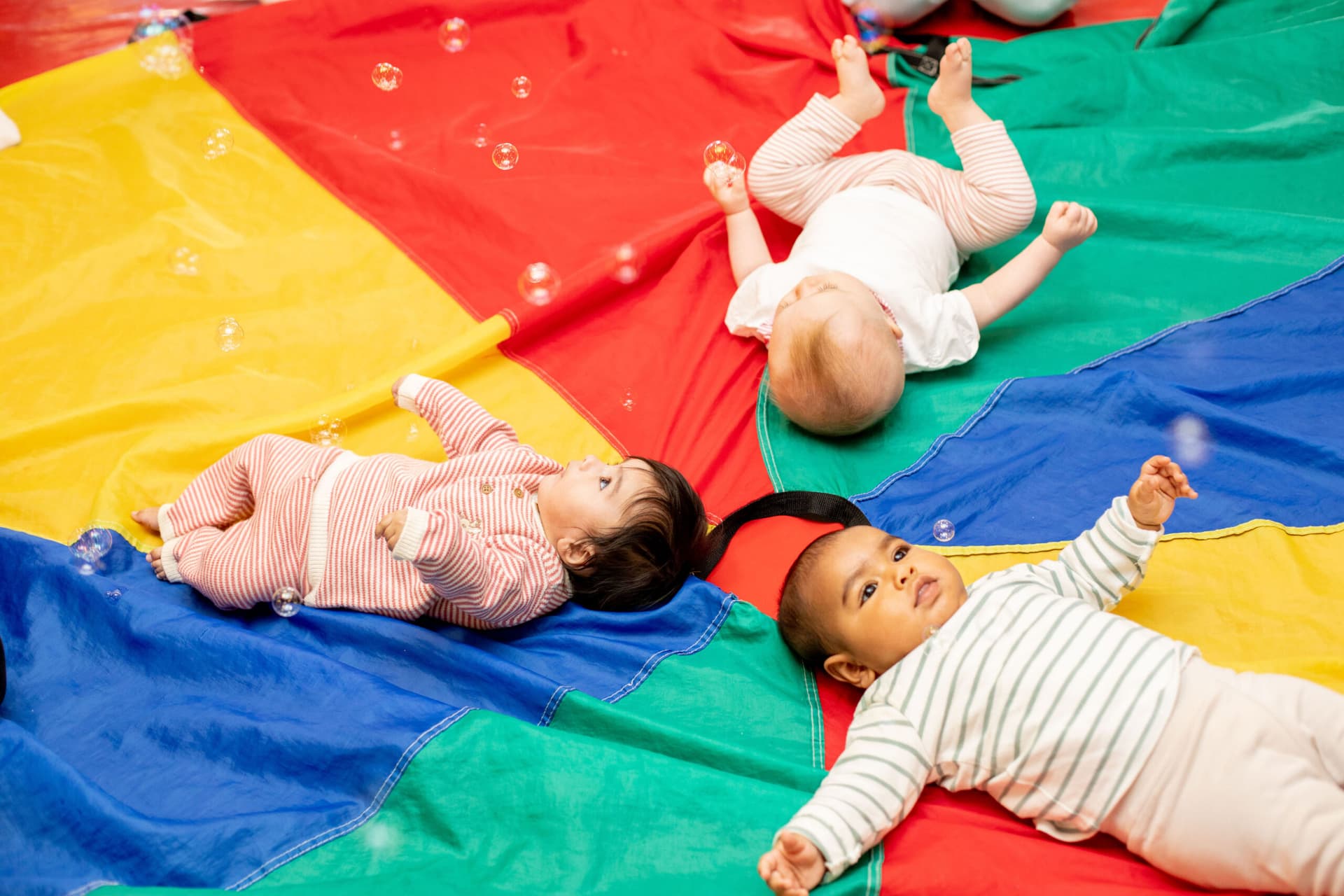
Early movement is about much more than physical strength. Motor skill development supports sensory processing, brain development, emotional regulation and later academic learning. Giving babies opportunities for freedom of movement during infancy plays a key role in helping these systems develop naturally.
Motor skills are movements controlled by the muscles and nervous system. We often hear about the gross motor skills, which involve larger movements such as rolling, sitting and crawling. These skills develop gradually as babies build strength, coordination and body awareness. In order to hit these milestones, we must begin with a strong foundation.
It’s a common misconception that we are born with five senses, when in fact we have 8, including three movement senses.
The vestibular system is our bodies balance control centre, located in the inner ear. It helps the brain understand spatial awareness, stabilises our vision and posture and relates to focus and attention. Movements such as rocking, rolling, crawling and going upside down, stimulate this system and help babies learn how their bodies move through space.
The proprioceptive system is our body part awareness sense, which provides feedback from muscles and joints to tell the brain where the body is and how it is moving. Our proprioceptive sense allows us to know how much force to exert, such as opening a door, writing on paper or manipulating small objects. It also works together with the vestibular system to help us negotiate our body in space, stopping us from bumping into things or falling out of bed as we grow. Proprioception is developed through activities like pushing and pulling, heavy work even deep hugs where the body receives immediate feedback to their central nervous system.
We also have our interoceptive sense, which comes into play as we age, telling us whether we are hungry or full, need the toilet, and whether we are hot or cold. Together, these sensory systems help babies build body awareness, coordination and confidence in movement.
In modern life, babies often spend time in equipment such as car seats, swings, bouncers or infant seats. While these can be helpful for short periods, spending too much time in restrictive containers may reduce opportunities for natural movement.
Babies benefit greatly from time on the floor where they can move freely.
Freedom of movement allows babies to:
- Strengthen muscles naturally
- Practice new motor skills
- Explore their environment
- Develop coordination and balance
- Build sensory awareness
Floor-based play allows babies to experiment with movements like rolling, reaching, pivoting and crawling, which are all important stepping stones in motor development. Movement also plays a powerful role in helping babies regulate their nervous systems.
The sensory input created by movement, particularly vestibular and proprioceptive input, helps organise the brain and support emotional regulation. This is why babies are often soothed by movements such as rocking, swaying and bouncing. These movements provide predictable sensory input that helps calm the nervous system. Over time, positive movement experiences help children develop the ability to regulate their emotions, focus attention and feel more secure in their bodies.
Early motor development is not just about when a baby rolls, crawls or walks. Every baby develops differently. Allowing your child to explore movements in their own time rather than rushing milestones will help to integrate their reflexes, develop their sensory system and in turn their motor skills and coordination.
Creating space for movement, encouraging active play and allowing children to explore at their own pace helps reinforce what they learn in structured settings. We have partnered with Fox and Cubs nanny agency who support The Little Gym way: “Children benefit from both freedom and consistency. When supported by the right environment, they are able to develop confidence, coordination and independence naturally over time.” Fanny Di Domenicantonio, Director, Fox & Cubs Nanny & Private Staff Agency.
So what can you do? The biggest takeaway is to give your baby plenty of time to explore, play and learn in infancy and their early childhood, to provide the building blocks of lifelong brain and body development.